
IV nutrition therapy is for people whose bodies cannot take in or absorb enough nutrients through eating and digestion alone. That includes patients with serious digestive conditions, people recovering from major illness or surgery, and those whose treatment makes eating difficult. At Northridge Pharmacy Specialty & Infusion, we provide Nutrition Support that work alongside the care plan your physician has already built. This guide explains who qualifies, which conditions benefit, and how to choose the right path forward.
IV nutrition therapy delivers nutrients straight into the bloodstream through a vein. It skips the stomach and intestines entirely. Medical teams often call this parenteral nutrition. “Parenteral” means outside the digestive tract.
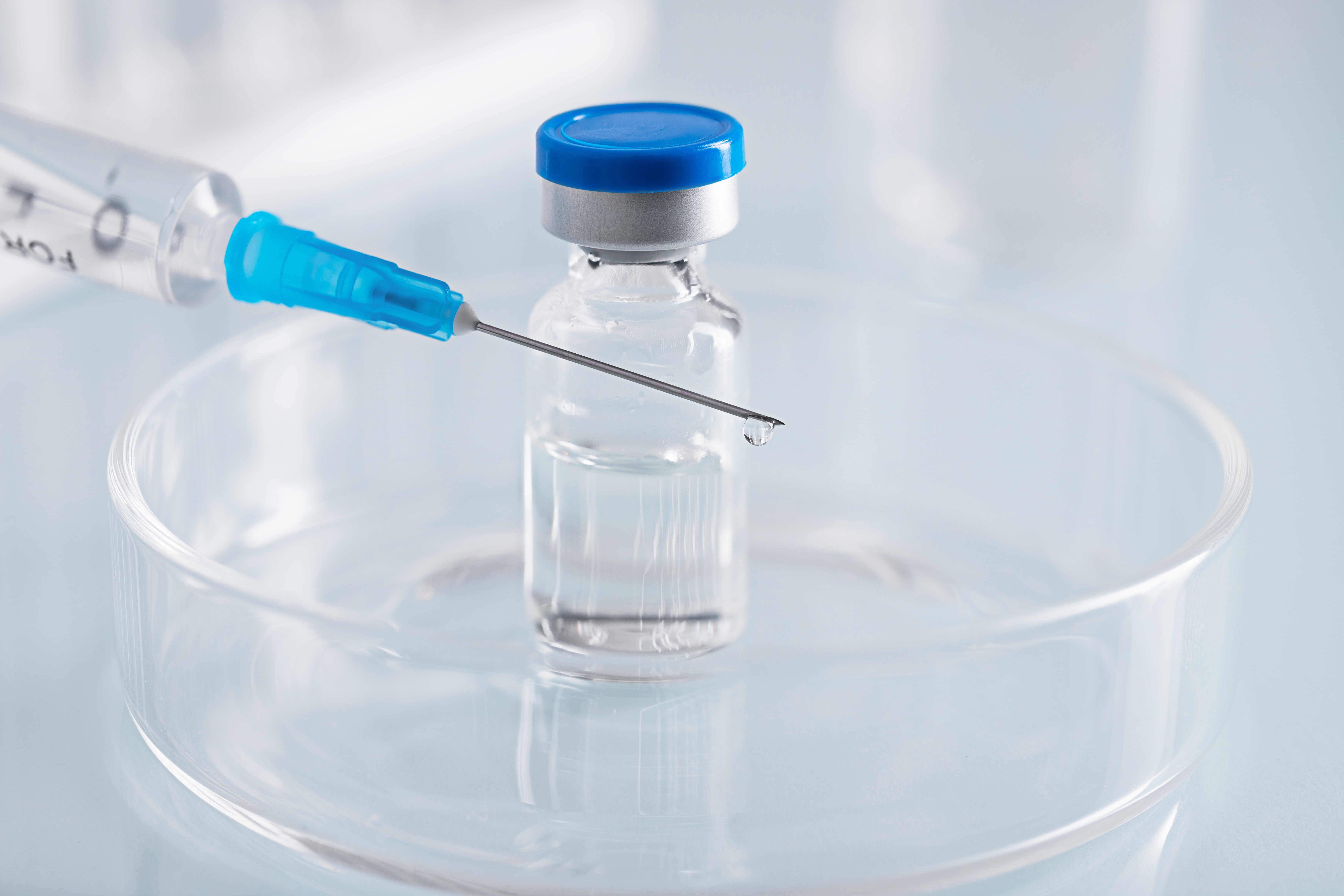
The formula is prescribed for each patient. It can include protein, carbohydrates, fats, vitamins, minerals, electrolytes, and fluids. Some patients need complete nutrition this way. Others need only a partial boost to cover what their gut cannot absorb.
Normally, food is broken down in the stomach and absorbed through the small intestine. When that process fails, the body runs short on the building blocks it needs to heal, maintain muscle, and keep organs working.
IV nutrition fills that gap. Because the nutrients enter the blood directly, the body can use them right away. There is no need for the digestive system to do the work.
There are two main types:
Total parenteral nutrition, often called TPN, supplies all of a patient’s daily nutrition through a vein.
Partial or supplemental parenteral nutrition adds to what a patient can still eat or absorb.
Your prescriber decides which type fits your needs based on lab results, weight trends, and your overall health.
Many patients first start IV nutrition in a hospital. Once they are stable, care often shifts to a setting that fits daily life better.
Common settings include:
Hospitals, for patients who are acutely ill or just starting therapy.
Outpatient infusion suites, where patients receive treatment and then return home.
Home infusion, for patients on long-term nutrition who are trained and supported to receive it at home.
Our infusion suite in Los Angeles, CA is designed for outpatient care. Patients can receive therapy in a comfortable space while staying connected to their regular routines.
Many people search for this topic after a physician mentions it for the first time. Our article was written to answer that question in plain terms. The short answer: anyone whose gut cannot safely deliver enough nutrition to meet the body’s needs.

Candidates usually fall into one of these groups:
People who cannot eat by mouth for an extended time, often because of surgery, bowel rest, or a blockage.
People who cannot absorb nutrients even when they eat, due to damage or loss of part of the intestine.
People losing weight and strength quickly because illness or treatment has made eating painful or impossible.
People with very high nutritional demands during recovery that food alone cannot meet.
Feeding tubes are often tried first when the gut still works. IV nutrition is generally used when the digestive tract cannot be relied on.
Eligibility is a medical decision made by your prescribing provider. It is not something patients choose on their own. Factors your care team weighs include:
How well your digestive system is functioning.
How long you are expected to need nutrition support.
Your current weight, muscle mass, and lab values.
Other conditions, such as kidney, liver, or heart concerns, that affect how nutrients are handled.
Whether a feeding tube is a safe alternative.
Because these factors change over time, eligibility is reviewed regularly. Some patients need IV nutrition for a few weeks. Others need it for months or longer.
IV nutrition is not a treatment for one disease. It supports the body while other treatments address the underlying problem.
Conditions that may call for IV nutrition include:
Short bowel syndrome, where part of the small intestine has been removed or does not work.
Crohn’s disease and other inflammatory bowel conditions during severe flares or after surgery.
Bowel obstruction, when food cannot pass through the intestines.
Severe pancreatitis, when eating may worsen inflammation.
Malabsorption disorders that prevent the body from absorbing key nutrients.
Severe nausea and vomiting, including in some pregnancies, that lead to dangerous weight loss and dehydration.
Side effects of intensive treatment that make eating difficult for long periods.
Many of these conditions overlap with other care we provide. Patients managing Inflammatory Disorders or receiving other infusions may also need nutrition support at certain stages.
Physicians usually recommend IV nutrition when one or more of these signs appear:
Eating or tube feeding has failed to maintain a healthy weight.
The gut needs complete rest to heal.
Lab work shows ongoing deficiencies in protein, electrolytes, or vitamins.
A patient has gone, or is expected to go, several days without adequate nutrition.
Weakness and weight loss are slowing recovery from illness or surgery.
Early support matters. Malnutrition can slow wound healing, weaken the immune system, and make other treatments harder to tolerate. Addressing it promptly helps patients stay strong enough to complete their care plan.
The main benefit is simple: the body gets what it needs, even when the digestive system cannot help.

For most people, eating real food is the preferred source of nutrition. But when the gut is damaged, blocked, or inflamed, oral nutrition has clear limits. IV nutrition offers several advantages in these cases:
Direct absorption. Nutrients reach the bloodstream without relying on the intestines.
Precise dosing. Each formula is built for the patient and adjusted as lab results change.
Bowel rest. The digestive tract can heal without the strain of processing food.
Reliable intake. Nausea, pain, or poor appetite no longer determine how much nutrition a patient receives.
IV nutrition and eating are not always either one or the other. Many patients continue to eat what they can while IV therapy covers the rest. Over time, the goal is often to return to normal eating as the body recovers.
Good nutrition supports nearly every part of recovery. When patients receive the nutrients they need, they often see:
More stable weight and muscle strength.
Better energy for daily activities.
Improved tolerance of other medical treatments.
Support for wound healing after surgery.
Correction of electrolyte and vitamin imbalances.
Regular monitoring is part of the process. Lab work helps the care team fine-tune the formula so each patient gets the right balance. Changes are made based on how the body responds, not on a fixed schedule.
If you have read “Who Needs IV Nutrition Therapy? Exploring Your Options” because a physician has raised the idea, the next step is understanding where and how you will receive care. The right setup depends on your condition, your schedule, and the support you need.
IV nutrition works when everyone involved in your care is on the same page. At Northridge Pharmacy Specialty & Infusion, we work closely with your physician to carry out the nutrition plan they prescribe. Our team includes an Infusion Nurse and a Nurse Practitioner who help support patients throughout therapy.
A personalized approach means:
Your formula is based on your prescription and lab results.
Changes in your health are shared with your prescribing physician.
Your therapy fits into the larger picture of your treatment.
Because we operate as both a specialty pharmacy and an infusion provider, we can coordinate the medication side and the infusion side of your care in one place. Physicians can start this process through our Refer a Patient.
Not every infusion setting is the same. When comparing options, consider these points:
Coordination with your physician. Look for a provider that communicates directly with your care team.
Range of therapies. A provider that offers many infusion types can support you if your needs change. We offer a wide range of infusion therapies, from IV antibiotics to immunoglobulin.
Comfort of the setting. Some infusions take time. A calm, comfortable space makes regular visits easier.
Clinical oversight. Ask who monitors your therapy and how adjustments are handled.
Patient experience. Reading patient testimonials can give you a sense of what care feels like day to day.
Take time to ask questions before therapy begins. A good fit makes long-term treatment much easier to manage.
IV nutrition therapy is meant for people whose digestive systems cannot supply enough nutrition on their own. Common reasons include short bowel syndrome, inflammatory bowel disease, bowel obstruction, severe pancreatitis, and treatment side effects that make eating difficult. It delivers nutrients directly into the bloodstream, supports healing, and helps patients stay strong through recovery. At Northridge Pharmacy Specialty & Infusion, we partner with your physician to provide nutrition support infusions tailored to your needs in a comfortable outpatient setting.